July 11, 2022
AttackIQ has released two new attack graphs that emulate different aspects of OilRig’s operations against multiple sectors around the globe. With these attack graphs, you can test and validate your defenses to improve cybersecurity readiness.
June 28, 2022
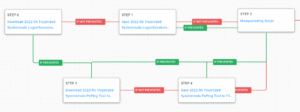
AttackIQ has released two new fully featured attack graphs emulating the tactics, techniques, and procedures (TTPs) used by likely nation-state adversaries that continue exploiting the Log4Shell vulnerability in VMware Horizon Systems.

June 24, 2022
In response to US-CERT Alert AA22-174A, AttackIQ has released new malware transfer scenarios to the platform and recommends validating security controls using previously released scenarios addressing Log4Shell and the VMware CVE-2022-22954 vulnerability.
June 15, 2022
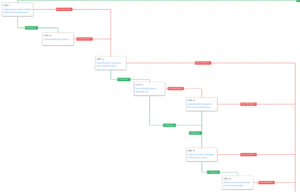
AttackIQ has released a new full-featured attack graph emulating the tactics, techniques, and procedures (TTPs) used by the Conti Ransomware Group. Despite the group’s recent dissolution, Conti’s successful post-compromise tactics, techniques, and procedures will live on. This attack graph will help defenders test their cyberdefense technologies against the full range of techniques and procedures that Conti used – and which Conti’s former members, now in other ransomware groups, will likely continue to use.
June 3, 2022
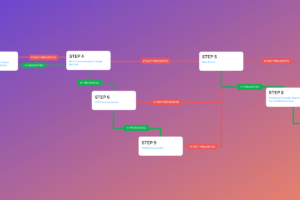
AttackIQ has released a new fully featured attack graph emulating the tactics, techniques, and procedures used by the Karakurt Data Extortion Group recently reported in US-CERT Alert AA22-152.

June 2, 2022
AttackIQ has released a new scenario to test your security controls against exploits used in the Follina 0-day. This new scenario helps security teams validate visibility, patching, security controls, and logging in their environments relative to this pervasive 0-day vulnerability. Elevate your security program performance using AttackIQ.
May 26, 2022
We are immensely pleased to announce the first of AttackIQ’s “malware emulation attack graphs.” We broke down real-world malware into its logical steps to understand the adversary’s behavior. We then use our attack graph methodology to arrange the malware into its component tactics, techniques, and procedures. Using the malware emulation attack graph, defenders can emulate a specific strain of malware to test and validate their security controls. Take a look.


April 29, 2022
Uncover new attacks from a threat actor likely operating out of Belarus known as UNC1151 or Ghostwriter.

April 1, 2022
AttackIQ has released a new attack graph for organizations to test and validate their cyberdefense effectiveness against the HAVEX strain of malware. This attack graph follows a pair of Department of Justice indictments of Russia-based threat actors and a new joint FBI-CISA Cybersecurity Advisory about HAVEX released last week. An enduring and dangerous threat, HAVEX targeted the energy and power sectors in 135 countries from 2012-2018, and the tactics and techniques within it continue to threaten organizations today.

March 29, 2022
Following an up-tick in the activity of Russia-based cyberthreat actors, this blog discusses the practical steps you can take to validate your network security controls against known Russian tactics, techniques, and procedures to improve your security readiness. It walks readers through Russia-specific emulations included in the AttackIQ Network Control Validation module.

March 18, 2022
AttackIQ has released a new attack graph to emulate Russia-based threat actors as they exploit multi-factor authentication protocols to disable MFA. This blog describes the scenarios we have included in the new attack graph to emulate the adversary and then, to inform a purple team construct for cyberdefense operations, it provides detection and mitigation recommendations that you can use to improve your security program effectiveness. Read on for more.

March 11, 2022
AttackIQ and the Center for Threat-Informed Defense are furthering the art of adversary emulation with the Center’s new Attack Flow project. Building on our deep research partnership with the Center, AttackIQ’s Attack Graphs emulate the adversary with specificity and realism to test advanced cyberdefense technologies against multi-stage attacks. Read on for more.

March 8, 2022
To prepare for a potential cyberattack from Russia-based actors, you can begin by testing your security controls against known adversary tactics. The vast majority of cyberattacks use tactics and techniques that have been employed in the past. This blog walks you through key known tactics and techniques, and highlights scenarios in the AttackIQ Security Optimization Platform that you can use today to test your defenses and improve your cybersecurity readiness.

February 24, 2022
In anticipation of escalating cyberattacks by the Russian government against U.S. and allied interests, AttackIQ has developed a new attack graph to help organizations test and validate their cyberdefenses against known Russian adversarial tactics, techniques, and procedures (TTPs).
October 4, 2021
To echo a famous Russian proverb, “trust but verify,” it’s not enough to implement a zero trust architecture. Continuous testing is the only way to achieve real cybersecurity readiness.

June 22, 2021
For years, users struggled to put MITRE ATT&CK into practice. With the release of ATT&CK Workbench today, defenders can far better ensure that their threat intelligence is continually aligned with the public ATT&CK knowledge base. See how and why.

December 15, 2020
The alignment of NIST 800-53 and MITRE ATT&CK creates a unique opportunity for red, blue, and white teams to understand each other—and how they can work together to build a fully compliant and mature cybersecurity program.